Aircraft Electric Tow Bar – Mini Max Style: Portable Ground Handling Solution
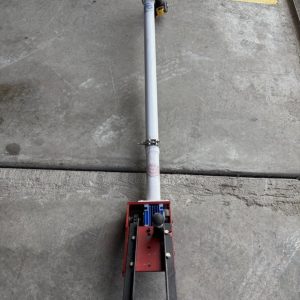
The Aircraft Electric Tow Bar – Mini Max Style offers a space-saving approach to aircraft handling for operators who want powered mobility without purchasing or storing a full-size tug. Using an Aircraft Electric Tow Bar can simplify hangar positioning, reduce manual handling demands, and provide more predictable movement on suitable ground surfaces.
This Electric Tow Bar for Aircraft represents a cost-conscious option for private owners and aviation facilities that require occasional or regular aircraft movement. As a Used Electric Aircraft Tow Bar, the unit should be evaluated for operating condition, structural integrity, wheel wear, attachment compatibility, drill performance, and charger function before purchase.
Choosing a Mini Max Aircraft Tow Bar may help private owners handle routine aircraft positioning without investing in bulky ground-support machinery. The included Aircraft Tow Bar with Drill and Aircraft Tow Bar with Charger create a more complete package for users who want equipment that can be prepared for service without sourcing major accessories separately.
The Portable Aircraft Tow Bar design can support flexible use across private hangars, shared aviation facilities, maintenance shops, and general aviation ramps. The unit can provide the benefits of a Powered Aircraft Tow Bar and Electric Airplane Tow Bar for owners who confirm attachment compatibility and operational suitability.
Aircraft Ground Handling Equipment should match the operator’s aircraft, movement frequency, available space, ground surface, budget, and maintenance resources. The unit can function as an Aircraft Hangar Tow Bar, Aircraft Moving Equipment, Electric Aircraft Mover, Aircraft Mobility Equipment, or Light Aircraft Tow Bar when verified for the intended application.
Why Owners Choose a Mini Max Style Aircraft Tow Bar
A Mini Max-style electric tow bar can help the operator guide an aircraft into or out of a hangar while maintaining close control over direction and speed. Successful operation depends on matching the tow bar to the aircraft, hangar layout, surface condition, incline, available clearance, and expected movement frequency.
Compact equipment can be especially useful in hangars where the aircraft must be positioned accurately between walls, doors, support columns, equipment, or neighboring airplanes. A second person may be appropriate when moving an aircraft in congested areas, through narrow hangar doors, or near obstacles.
Electric Tow Bar for Aircraft Applications
The powered system can make aircraft movement more manageable for operators who find traditional pushing and pulling physically demanding. Potential applications include moving an airplane for maintenance access, hangar entry, cleaning, storage, preflight preparation, or equipment rearrangement.
Moving an aircraft without engine power can reduce unnecessary propeller activity, exhaust, noise, fuel consumption, and airflow inside or near the hangar. However, the operator must ensure that brakes are released appropriately, control locks are considered, the intended path is clear, and the aircraft is prepared for towing.
Buying a Used Electric Aircraft Tow Bar
Purchasing used equipment can be practical for owners who need occasional aircraft movement and do not require the cost or capacity of a large commercial tug. Its replacement by a dedicated tow tug does not necessarily indicate a performance problem, but the current condition should be confirmed independently.
Buyers should request clear photographs of the frame, wheels, attachment assembly, powered drive, drill, charger, wiring, fasteners, handles, and areas showing wear. An independent inspection by a local aviation professional can provide additional confidence before payment or shipment.
Benefits of a Mini Max Aircraft Tow Bar
The design offers a practical approach for light-aircraft owners who need reliable assistance without maintaining a substantial piece of motorized equipment. The close-control configuration can help users align the aircraft carefully with hangar doors, parking marks, maintenance positions, or storage areas.
Adapters or attachment components may vary by aircraft, meaning an otherwise functional unit may require different hardware for another model. The tow connection must remain secure throughout forward, reverse, and turning operations without placing unsuitable force on the aircraft.
Benefits of an Aircraft Tow Bar with Drill
An Aircraft Tow Bar with Drill can offer a simple and serviceable approach to powered ground handling by using a familiar rechargeable tool as the drive source. A drill that is underpowered, damaged, incorrectly adjusted, or poorly secured may provide inadequate performance or create inconsistent movement.
Rapid trigger operation may produce jerking, wheel slip, attachment movement, or unexpected acceleration, especially on smooth or uneven surfaces. Consistent inspection and maintenance help protect both the powered tool and the aircraft-moving equipment from avoidable wear.
Choosing an Aircraft Tow Bar with Charger
Including the charger can simplify setup for the new owner and help maintain the drill battery between aircraft-moving operations. A functional test can confirm that the battery is recognized, charging begins correctly, indicator lights operate, and the unit completes a normal charging cycle.
The battery should not be left discharged for extended periods because long-term low charge may reduce capacity or shorten service life. Maintaining the battery at an appropriate charge level supports consistent torque, predictable speed, and reliable movement under load.
Using a Portable Aircraft Tow Bar
Portability is useful for mobile maintenance providers, shared hangar operators, aircraft dealers, flying clubs, and private owners with limited permanent storage. Before transporting the tow bar in a vehicle, it should be secured to prevent movement, impact, contamination, and damage to surrounding cargo.
The tow bar should be stored where it does not block aircraft movement, emergency access, doors, electrical panels, tools, or pedestrian routes. A simple pre-use checklist can confirm that all portable components were returned after the previous operation and remain ready for service.
Powered Aircraft Tow Bar Applications
Powered assistance can improve convenience for owners who operate alone, although aircraft movement should never exceed the operator’s ability to observe and control the situation. Performance should be judged under realistic aircraft load rather than by observing the drive system running without resistance.
Operators should use slow speeds near hangar doors, walls, parked vehicles, tools, support stands, people, and other airplanes. Powered towing is most effective when combined with disciplined preparation, low-speed control, clear communication, and secure parking procedures.
Electric Airplane Tow Bar Benefits
General aviation users may choose an Electric Airplane Tow Bar for personal convenience, reduced manual strain, compact storage, and straightforward powered operation. Aviation maintenance personnel can help evaluate whether check here the tow connection is appropriate and whether the aircraft manufacturer permits the intended method.
The operator should avoid attempting movement when the ground condition exceeds the traction or control capability of the equipment. Training should include normal use, emergency stopping, battery loss, traction loss, attachment inspection, and aircraft securing procedures.
Aircraft Ground Handling Equipment Selection
Aircraft Ground Handling Equipment should be selected according to aircraft type, weight, towing arrangement, movement frequency, surface condition, hangar layout, and available storage. Comparisons should include purchase price, accessories, adapters, batteries, chargers, replacement parts, maintenance, storage needs, portability, and operator training.
Keeping maintenance records can help owners monitor recurring wear and confirm when wheels, batteries, attachments, bearings, or drive components were serviced. Preventive maintenance is generally easier and less costly than dealing with equipment failure while an aircraft is partially moved.
Aircraft Hangar Tow Bar Operations
The ability to reposition an airplane conveniently can improve hangar organization and simplify access to doors, storage, tools, and maintenance areas. Adequate lighting is important because shadows or poor visibility can conceal obstacles and make aircraft-clearance judgment difficult.
The user should avoid distractions, phone use, conversations, and unnecessary activity while the aircraft is moving. The tow bar should not remain attached where it could create a trip hazard, obstruct maintenance, or place unintended force on the landing gear.
Aircraft Moving Equipment for Light Aircraft
The ideal Aircraft Moving Equipment allows one trained operator to reposition a compatible aircraft while maintaining close control and clear visibility. Buyers should consider the heaviest realistic aircraft configuration rather than relying only on empty-weight information.
Only the intended tow connection should receive the towing load, and the operator should avoid improvised methods that can damage the aircraft. Regular maintenance preserves equipment value and gives the operator greater confidence during every aircraft movement.
Electric Aircraft Mover Operation
The compact system may be ideal for private aircraft handling where movement distances are short and surfaces are generally smooth and level. Electric power does not guarantee unlimited towing capacity, and the equipment should not be used outside its practical operating range.
A compact electric mover can be prepared quickly for occasional use when the battery is charged and all components are stored together. Long-term reliability depends on maintaining both the mechanical towing assembly and the removable electrical power equipment.
Aircraft Mobility Equipment Benefits
Aircraft Mobility Equipment helps owners control how airplanes are positioned, stored, accessed, maintained, and prepared within aviation facilities. A Mini Max-style tow bar can be particularly useful where the operator values portability and direct control more than long-distance towing or commercial capacity.
Shared hangars may establish an authorization list so only trained users operate the powered tow bar. Owners should review equipment needs whenever the aircraft, hangar, ramp surface, storage location, or operating routine changes.
Light Aircraft Tow Bar Selection
A suitable Light Aircraft Tow Bar provides secure attachment, sufficient powered assistance, predictable steering, controlled stopping, and manageable storage. Proper fit protects the landing gear, steering stops, fairings, tires, brakes, and towing equipment during movement.
Light aircraft may still be difficult to move when parked on slopes, stored for long periods, fitted with low tires, or affected by brake resistance. Owners should test the complete system before relying on it for an important movement or maintenance event.
Long-Term Tow Bar Ownership
A regular inspection routine supports dependable performance, protects resale value, and gives operators confidence during hangar movement. Maintenance should be based on actual condition and operation rather than waiting for the equipment to stop functioning.
- Inspect the frame, welds, handles, wheels, fasteners, adapters, attachment points, drive system, drill connection, and visible wear before use.
- Confirm that the drill operates without slipping, overheating, unusual noise, weak output, damaged housing, or intermittent electrical function.
- Clean and store the tow bar, drill, charger, adapters, pins, and hardware in a dry, organized, protected location after operation.
Final Thoughts on the Aircraft Electric Tow Bar – Mini Max Style
The Aircraft Electric Tow Bar – Mini Max Style offers an appealing combination of powered operation, portable design, direct control, and included accessories. Buyers can reduce risk by requesting photographs, operating videos, accessory details, measurements, previous-use information, secure payment terms, and documented shipping arrangements.
Whether the unit will support private ownership, maintenance work, shared hangar operations, or general aviation storage, training and equipment care are central to dependable performance. With professional compatibility review, controlled use, organized storage, and preventive maintenance, the unit can remain a practical alternative to larger towing machinery.